
Best Shampoo Bars to Replace Plastic Bottles
This article contains affiliate links. If you buy through these links, ErasePlastic may earn a small commission at no extra cost to you.
The plastic shampoo bottle is one of the most quietly wasteful objects in the modern bathroom. We empty one every few weeks, toss it in the recycling, and reach for the next - and yet the majority of those bottles are never actually recycled. Switching to the best shampoo bars you can find is one of the most satisfying plastic-free swaps available: it removes a steady stream of plastic from your life, takes up less space, travels brilliantly, and often leaves your hair feeling just as clean. This guide explains how shampoo bars work, what to look for, how to use them so you actually enjoy the switch, and which options to consider.
Why Switch From Bottled Shampoo?
The numbers behind bottled shampoo are striking. Billions of plastic shampoo and conditioner bottles are sold every year, and a large share are made from mixed plastics or come with pumps and caps that complicate recycling. Even when a bottle is technically recyclable, real-world recycling rates for plastic are low, so most end up in landfill or incineration. On top of the bottle itself, liquid shampoo is mostly water - you are paying to ship water around the country in plastic. A solid bar removes the water, removes the bottle, and concentrates the cleaning ingredients into a compact, long-lasting form.
There is a personal-exposure angle too. Many liquid shampoos rely on plastic packaging and a long list of synthetic additives. A well-formulated bar can deliver a simpler ingredient list with naturally derived surfactants and oils, packaged in nothing more than a strip of cardboard.
How Shampoo Bars Work
A shampoo bar is simply concentrated shampoo in solid form. You wet your hair and the bar, rub the bar directly onto your scalp or work up a lather in your hands, massage it through, and rinse. There are two broad categories worth understanding:
- Syndet bars: Made with gentle synthetic detergents (surfactants) formulated to a balanced, hair-friendly pH. These behave most like conventional shampoo, lather well, and suit the widest range of hair types. Most modern, well-reviewed shampoo bars are syndet bars.
- Soap-based bars: Made by traditional saponification, like a bar of soap. These are very natural but have a higher pH, which can leave some hair types feeling waxy until they adjust. An acidic rinse (diluted apple cider vinegar) often helps.
Knowing the difference helps set expectations. If you want the closest experience to your old liquid shampoo, a pH-balanced syndet bar is usually the easiest starting point.
What to Look For in a Shampoo Bar
Not every bar is equal. Use these criteria to choose well:
- Plastic-free packaging: The whole point. Look for bars wrapped in cardboard, paper, or nothing at all - not shrink-wrapped in plastic film.
- pH-balanced formula: Especially if you have coloured or fine hair, a balanced pH (roughly 4.5 to 5.5) keeps the cuticle smooth and avoids that waxy feeling.
- Sulfate considerations: Some people prefer sulfate-free bars for sensitive scalps or coloured hair. Others find a mild sulfate lathers better. Match it to your hair.
- Simple, recognisable ingredients: Naturally derived surfactants, plant oils, and butters. Fewer synthetic extras is generally better.
- Matched conditioner bar: Many hair types benefit from a conditioner bar too, so a set that pairs the two simplifies the switch.
How to Use a Shampoo Bar (and Actually Like It)
Most people who give up on shampoo bars do so in the first week, usually because of two fixable issues: technique and the transition period. Here is how to get it right.
Getting a good lather
Thoroughly wet both your hair and the bar. You can either rub the bar directly onto your scalp in a few strokes, then massage with your fingers, or work up a lather in your hands first and apply that. Focus on the scalp, not the lengths - the lather rinsing down cleans the rest. If lather seems thin, your water may be hard; a little more bar contact or a clarifying first wash usually solves it.
The transition period
If you switch from conventional liquid shampoo, your scalp may take one to three weeks to adjust, especially with soap-based bars. During this time hair can feel slightly different as it rebalances. An occasional rinse with diluted apple cider vinegar (one tablespoon in a cup of water) smooths the cuticle and removes any residue. Most people find their hair settles into a new, often improved, normal.
Making the bar last
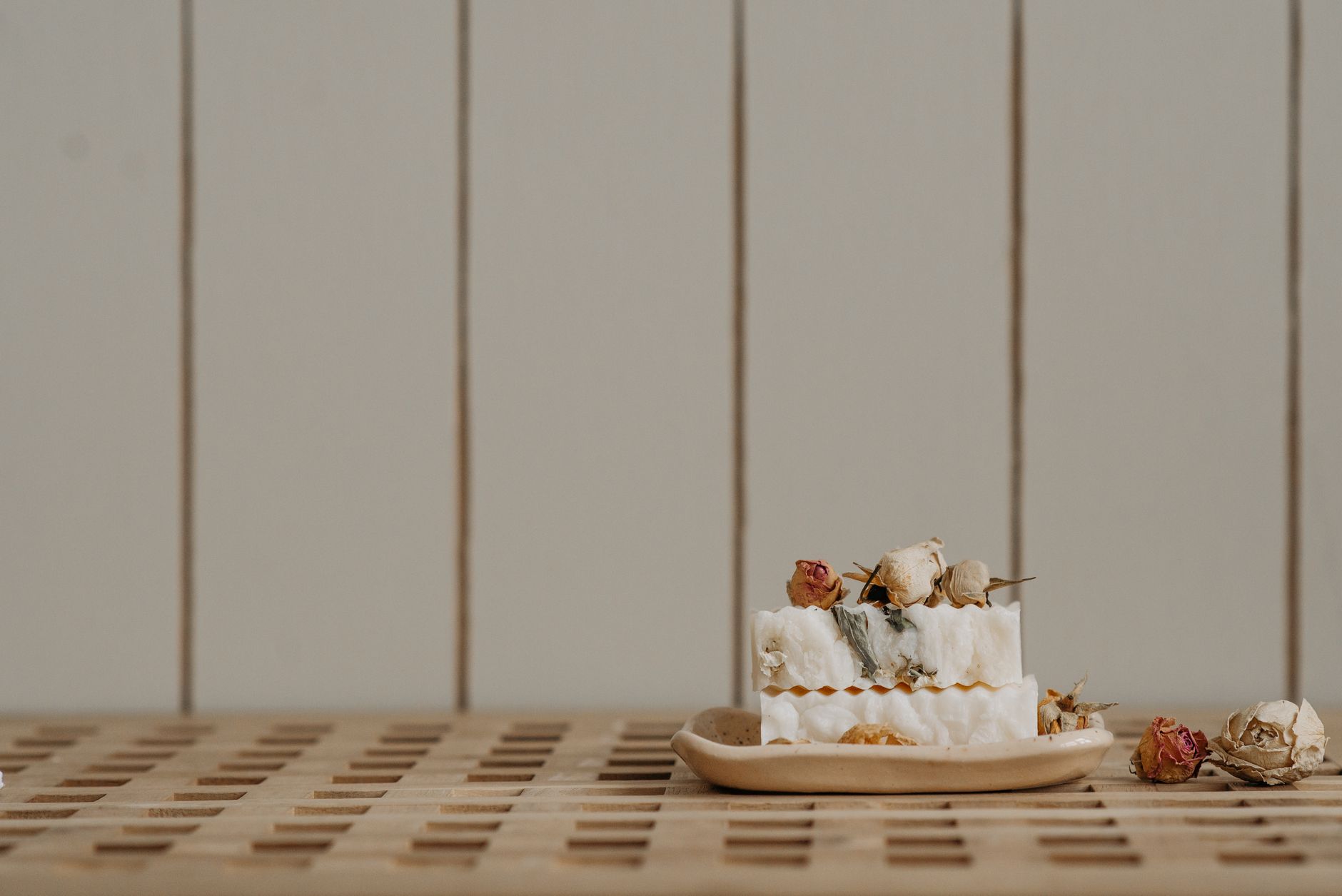
The single biggest factor in a bar's lifespan is drying between uses. Leave it sitting in a puddle and it turns to mush; store it on a draining soap dish or a slatted holder where air circulates, and a single bar can outlast two or three bottles of liquid shampoo. For travel, a tin keeps it dry and contained.
Who Shampoo Bars Suit Best
Shampoo bars work for most hair types, but the experience varies:
- Normal to oily hair: Usually the easiest switch, with great results from most bars.
- Fine or coloured hair: Best with a pH-balanced syndet bar; avoid high-pH soap bars that can leave residue.
- Curly or dry hair: Pair a gentle bar with a conditioner bar or a leave-in, since curls need extra moisture.
- Hard water households: May need an occasional acidic rinse to counter mineral buildup, but bars still work well.
Shampoo Bars and the Bigger Plastic-Free Bathroom
A shampoo bar rarely travels alone. Once you have removed the shampoo and conditioner bottles, the natural next steps are a bar of body soap, a bamboo toothbrush, toothpaste tablets, and a refillable razor - each one cutting another stream of single-use plastic from the room. Together they transform the bathroom from one of the most plastic-heavy spaces in the home into one of the cleanest. For the full routine, see our guide to the plastic-free bathroom, and for the oral-care side, our guide to the best bamboo toothbrushes.
The Bottom Line
The best shampoo bars deliver a genuinely satisfying swap: they remove a steady stream of plastic bottles, last longer than liquid shampoo, travel without spills or liquid limits, and clean just as well when you match the bar to your hair. Choose a pH-balanced bar in plastic-free packaging, store it somewhere it can dry, and give your scalp a week or two to adjust. Start with a shampoo and conditioner set to make the transition simple, then build out the rest of your plastic-free bathroom from there. For more easy wins, see our 10 easiest plastic-free swaps.