
It's time to Erase Plastic
from your home.
How to Reduce Microplastic Exposure at Home
The most effective way to reduce microplastic exposure starts at home. Find out where your biggest daily exposures are hiding — then get the exact swaps to fix them. Practical, affordable, and backed by real research.
High-impact swaps to start with
These four products cover the biggest daily exposure points — the fastest way to reduce microplastic exposure from cookware, drinking water, and indoor air.
 🍳
🍳
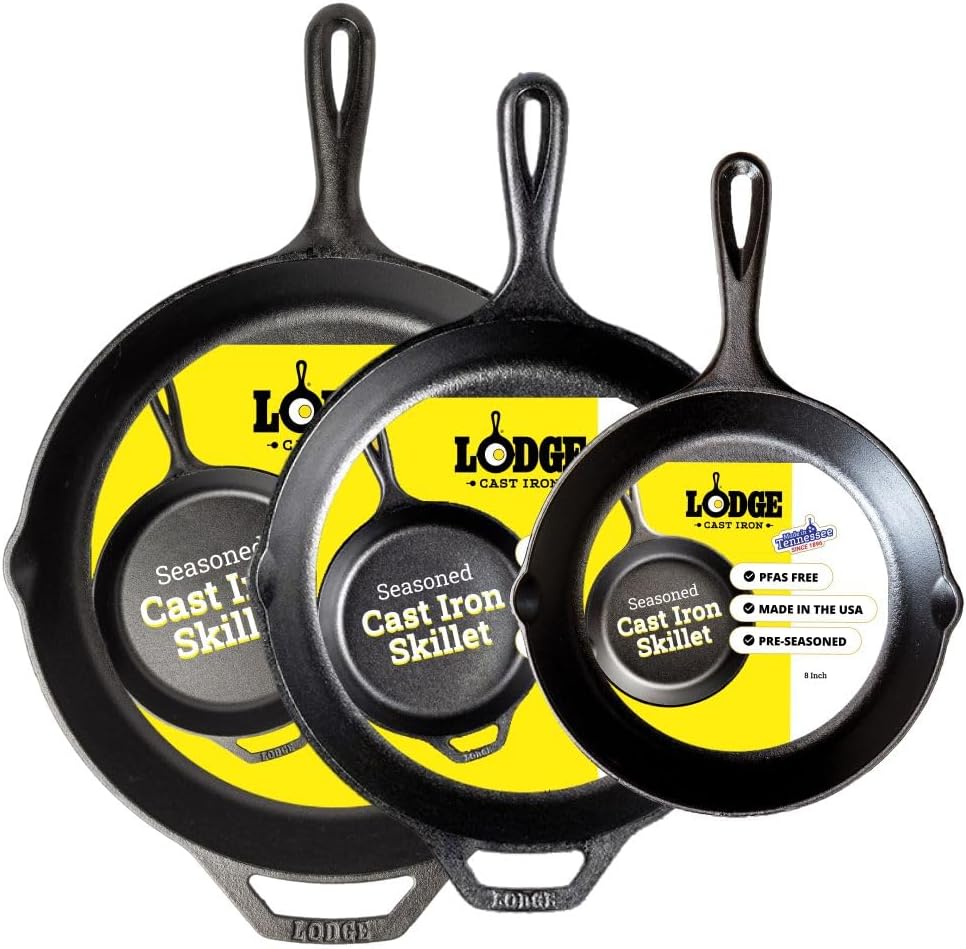
Lodge Cast Iron Skillet
No Teflon coating to chip or degrade into your food. Instead, it's pre-seasoned and naturally non-stick when maintained — a pan that lasts forever.
 🥘
🥘
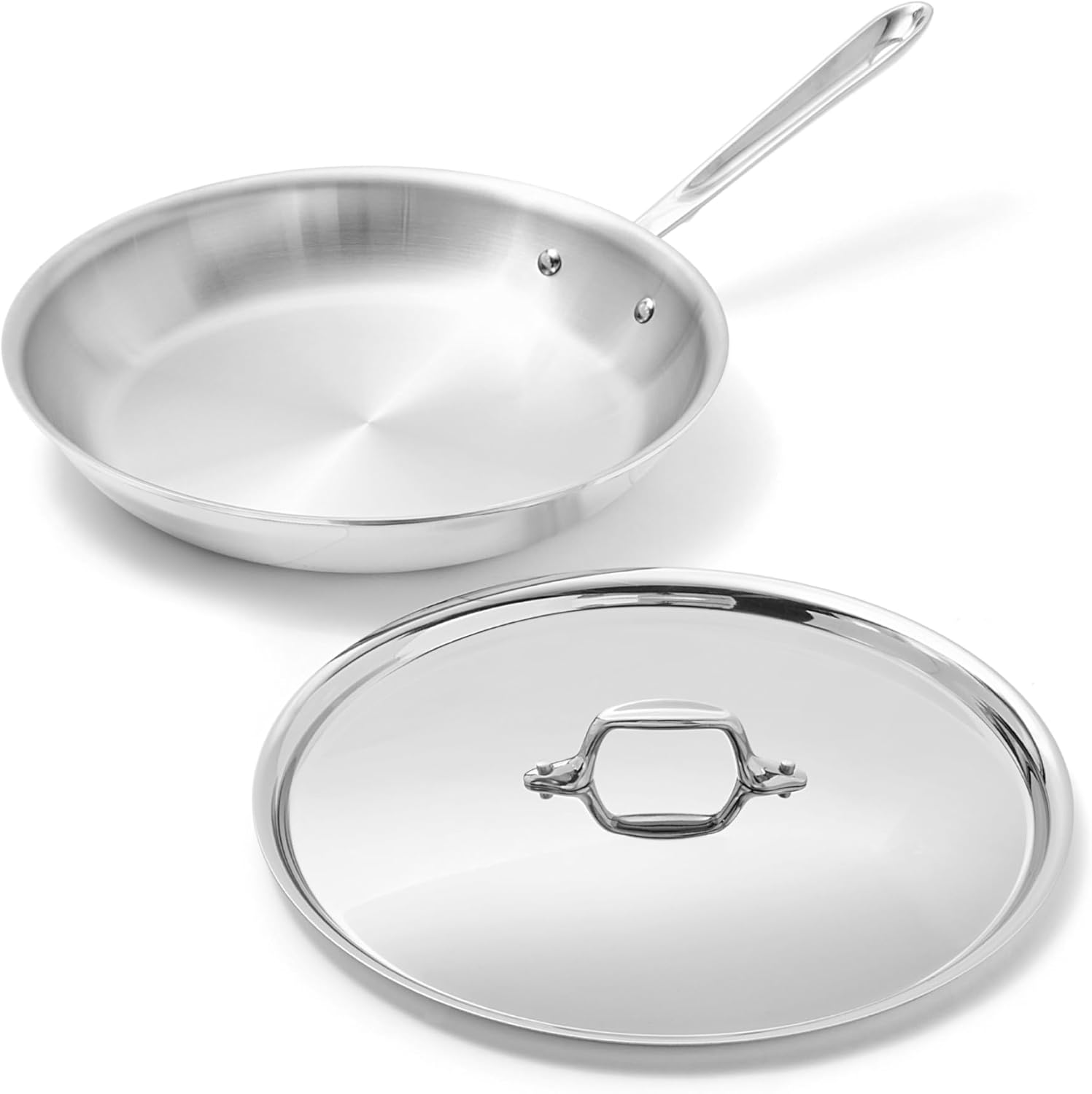
All-Clad D3® Stainless Steel 12" Frying Pan
Tri-ply bonded steel with zero non-stick coating. Oven-safe to 600°F and backed by a lifetime warranty — no flaking, ever.
 💧
💧
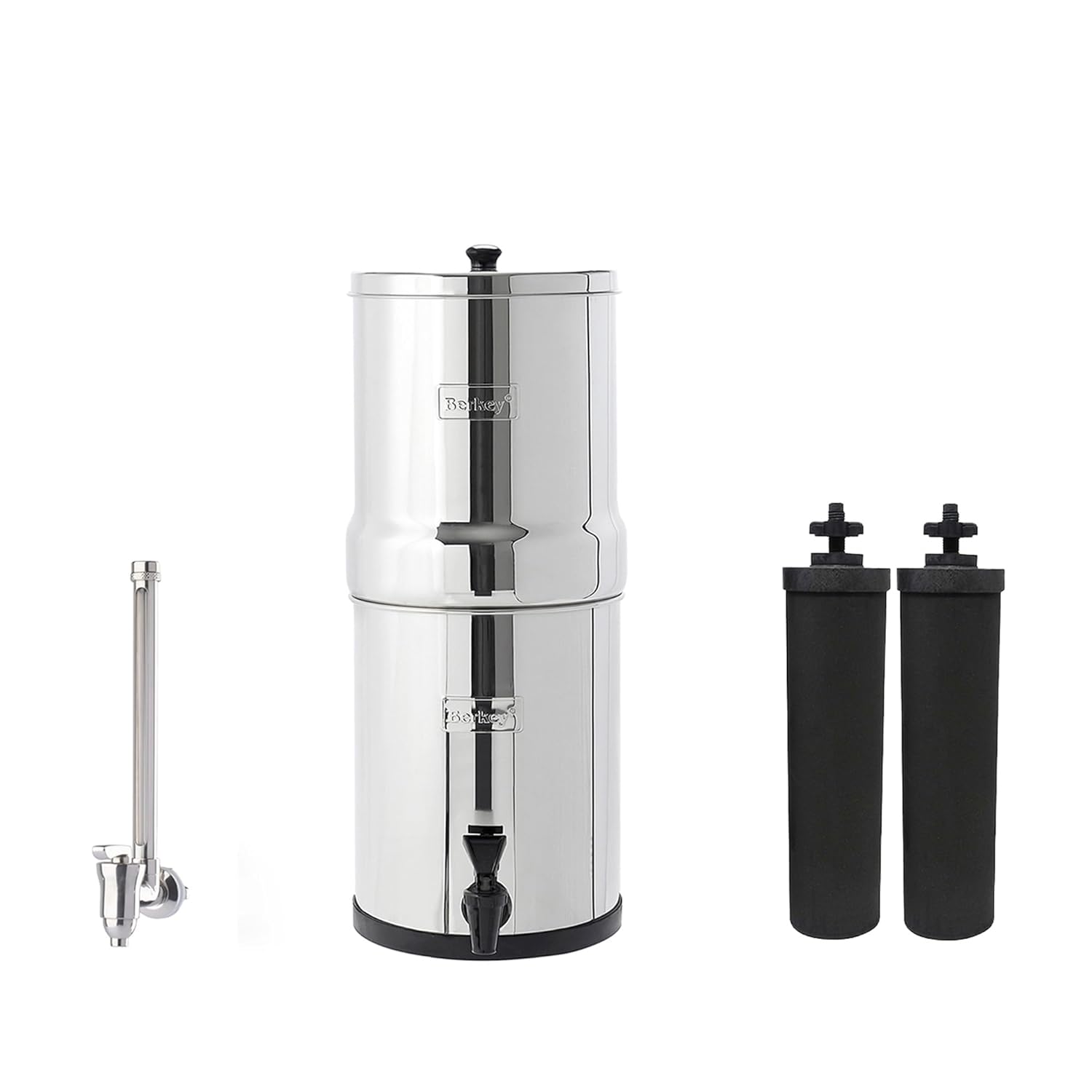
Berkey Big Berkey Gravity Filter
No installation or electricity needed. Moreover, it removes microplastic fibers, bacteria, and parasites, with a 6,000-gallon filter life — ideal for renters.
 🌬️
🌬️
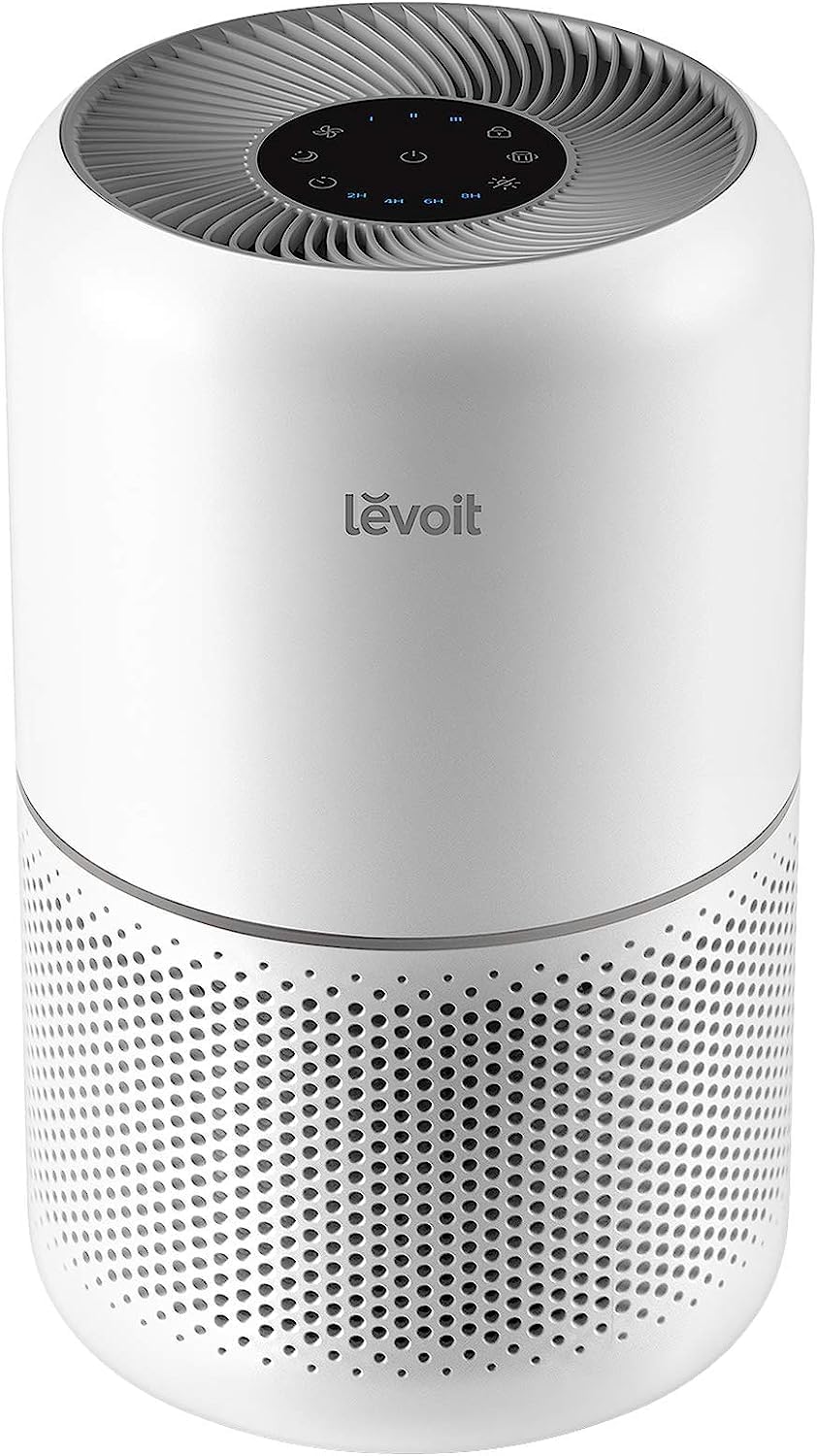
Levoit Core 300 HEPA Air Purifier
True HEPA captures particles down to 0.3 microns — including airborne microplastic fibers shed from textiles and carpets overnight.
One swap you can make today
You don't have to overhaul your whole life. In fact, this single swap is one of the highest-impact changes you can make in your kitchen — and it takes just minutes.
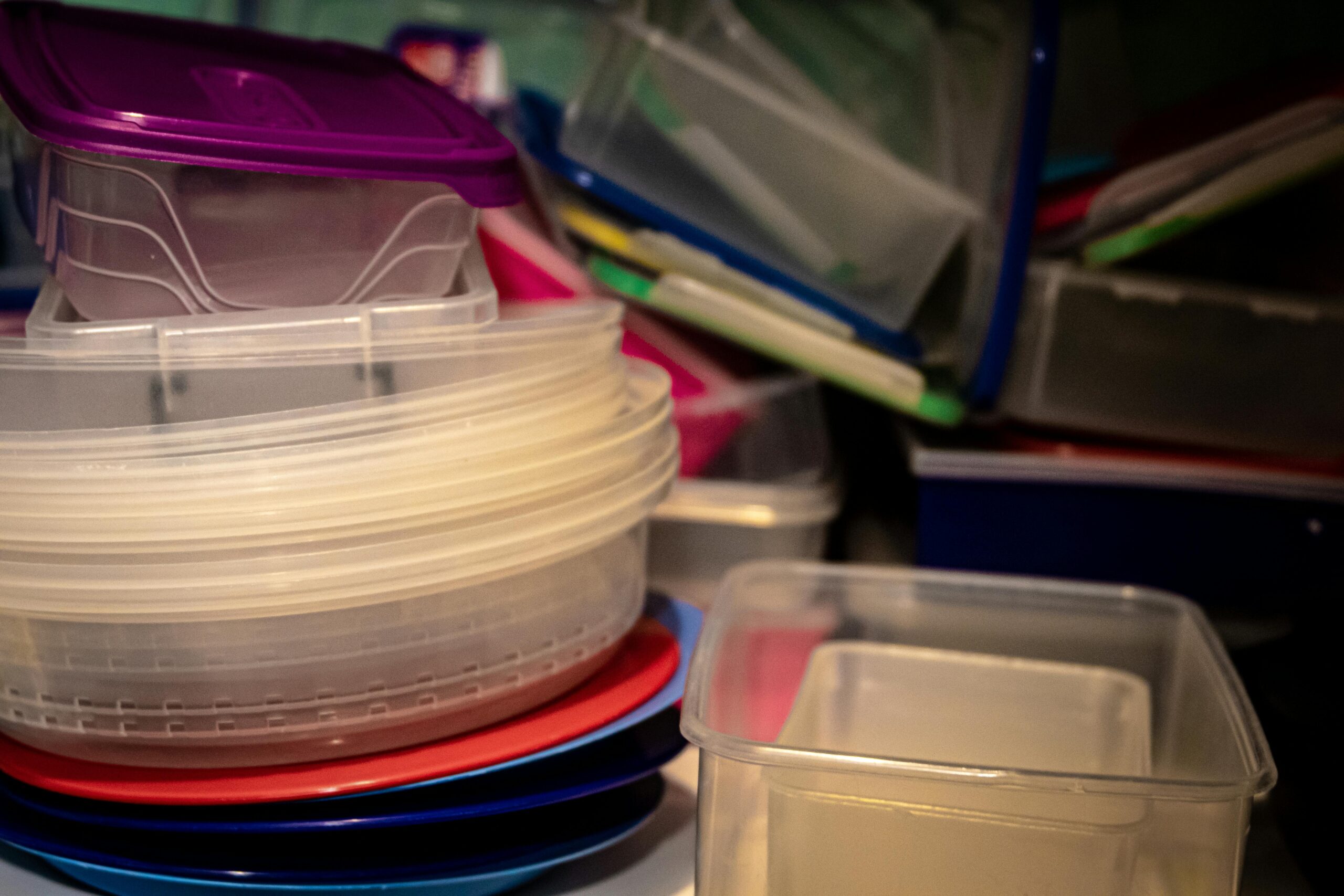
Plastic Food Containers (Tupperware)
Plastic containers leach BPA, phthalates, and microplastic particles into your food — especially when microwaved or used with hot, fatty, or acidic foods. Furthermore, the older and more scratched the container, the more particles it releases with every meal.
❌ What you're probably using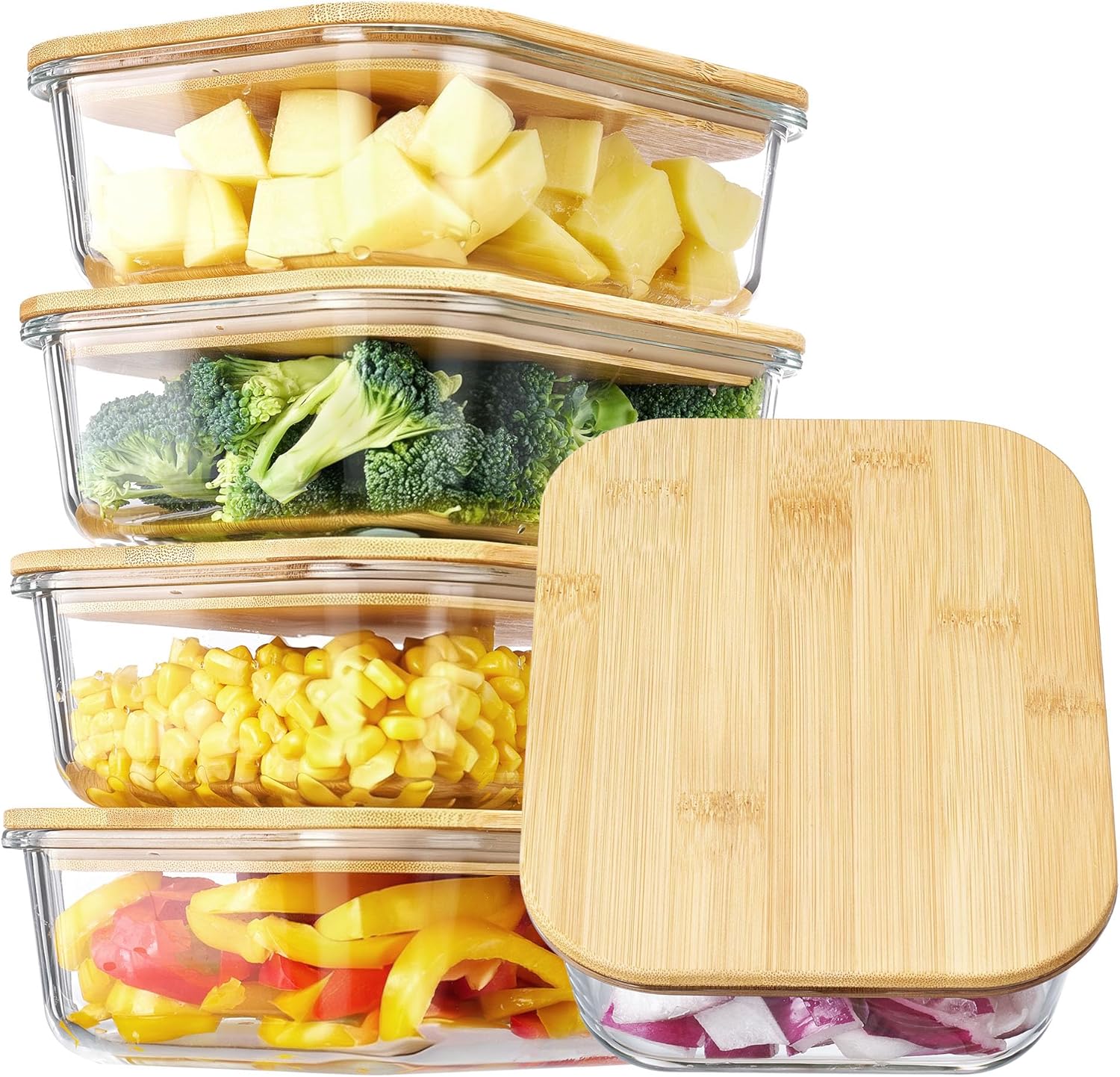
Vtopmart Glass Food Storage Set
Glass is completely inert — it never leaches chemicals or particles into food regardless of temperature. Moreover, it's microwave-safe, oven-safe, and dishwasher-safe. The bamboo lids keep everything airtight without any plastic in contact with your food.
See recommended product →Reduce microplastic exposure — for your health and the planet
Peer-reviewed research has found microplastics in human blood, arterial plaque, lung tissue, and breast milk. A 2024 New England Journal of Medicine study found people with microplastics in their arteries had a 4.5× higher risk of heart attack or stroke. ErasePlastic turns that research into simple, practical swaps you can make today.
Your body is accumulating plastic
Microplastics are now found in blood, lungs, and arterial plaque. Reducing daily exposure is one of the most impactful things you can do for long-term health.
Every swap reduces what enters the food chain
Microplastics contaminate soil, waterways, and marine life. Small changes made at scale — starting in your home — add up to something real.
Everything here cites its source
No guesswork or greenwashing. Every recommendation is grounded in peer-reviewed research so you can verify anything we say for yourself.


Hi, I'm Emil — and I've been where you are.
I started ErasePlastic after learning about microplastics and feeling overwhelmed by the lack of clear, practical advice. As a result, this site is my attempt to cut through the noise and make it simple to reduce microplastic exposure — one swap at a time.
Get updates from ErasePlastic
New articles, practical swaps to reduce microplastic exposure, and research summaries — sent when we have something worth sharing. No schedule, no filler.
🔒 No spam. Unsubscribe anytime. We only send emails when there's something worth reading.