Microplastics and Fertility: What the Research Shows
Among the many health questions raised by microplastics, few feel as personal as the one about fertility. Reproductive health touches deeply held hopes, and headlines linking plastic to declining fertility can be frightening. So it is worth approaching this topic carefully and honestly: looking at what researchers have actually found, what remains uncertain, and how to respond sensibly without alarm. The science on microplastics and fertility is young and still developing, but it is active and increasingly detailed. This article walks through where particles have been detected in the reproductive system, what laboratory studies suggest about their effects, the related concern about plastic chemicals, and what it all means for you.
Microplastics Have Been Found in Reproductive Tissues
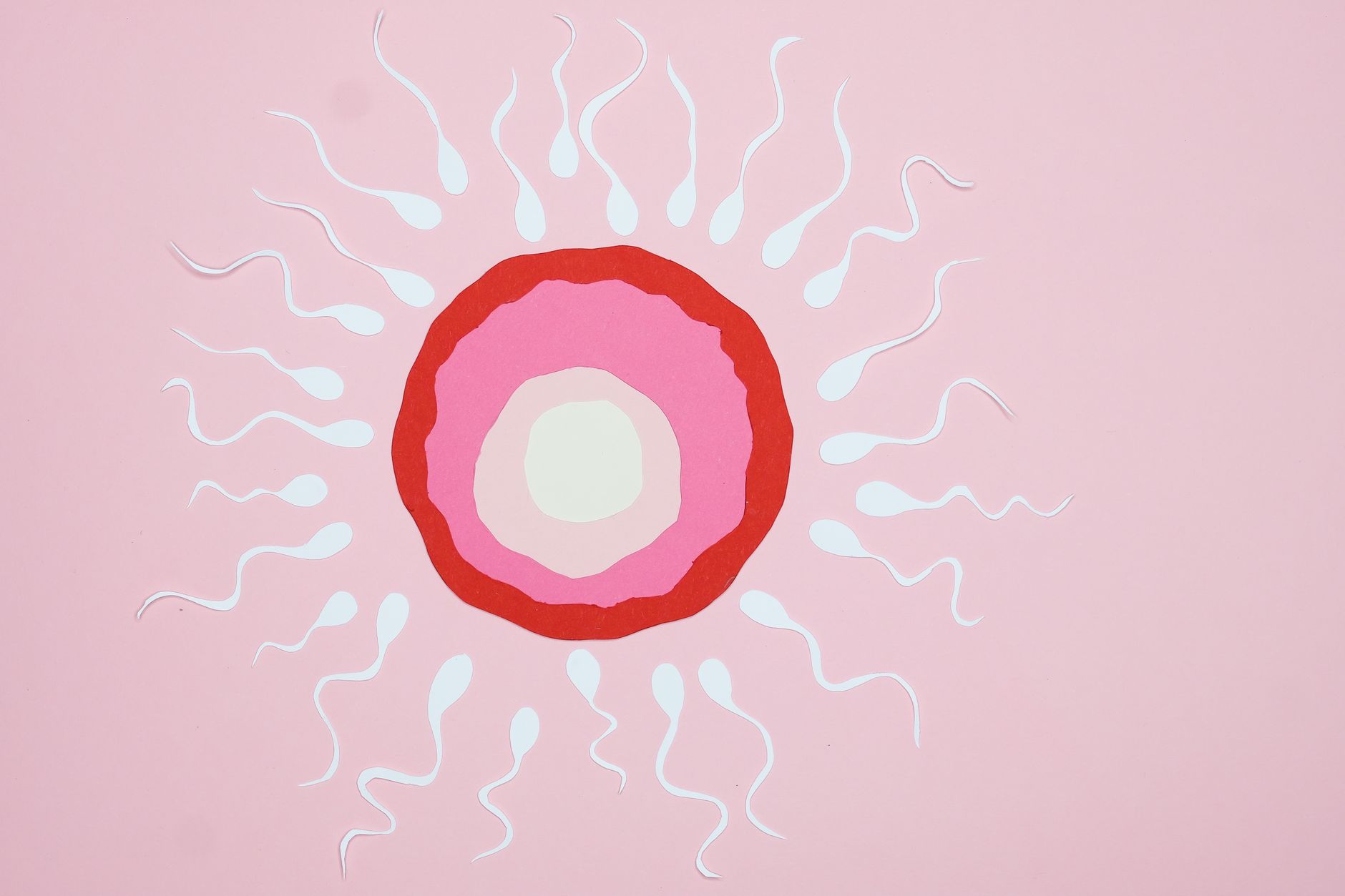
The first thing the research established is presence. In recent years, scientists have detected microplastics in human reproductive tissues and fluids that were previously assumed to be plastic-free. Studies published in the 2020s have reported finding microplastic particles in human semen and in follicular fluid - the fluid surrounding developing eggs in the ovaries. Microplastics have also been detected in the human placenta, the organ that connects a developing baby to the mother's blood supply, in multiple independent studies.
These findings matter because they show that plastic particles, having entered the bloodstream from food, water, and air, are reaching the most sensitive and protected parts of the body. The placenta in particular is designed to be a selective barrier, so finding plastic there raised significant scientific interest. As with the broader story of plastic in the body, the detection is becoming well documented even while the consequences are still being worked out.
What Laboratory and Animal Studies Suggest
Because you cannot ethically expose people to microplastics in an experiment, much of what we know about possible effects comes from laboratory studies on cells and from animal research. These studies should be read as indications of biological plausibility, not as proof of human harm, but they are where the concern originates.
In animal models, exposure to high levels of microplastics has been associated with a range of reproductive effects, including reduced sperm quality and count, changes in egg and ovarian function, hormonal disruption, inflammation, and oxidative stress in reproductive tissues. Some studies have observed that very small particles can accumulate in the testes and ovaries. The proposed mechanisms include physical irritation and inflammation, the generation of reactive oxygen species that damage cells, and interference from chemicals carried by or leaching from the plastic.
It is important to stress the limits here: many animal studies use doses far higher than typical human exposure, and results from rodents do not always translate to people. They tell us a biological pathway is plausible and worth investigating - not that a given level of exposure causes infertility in humans.
The Bigger Picture: Declining Fertility Trends
The microplastics question sits inside a wider, well-documented trend. Numerous studies have reported declines in average sperm counts across many countries over recent decades, and rising rates of certain reproductive health issues. Researchers debate the causes, which are almost certainly multiple - lifestyle, diet, obesity, age at conception, and environmental chemical exposure all feature in the discussion. Microplastics and the chemicals associated with plastics are one candidate factor among several, not a sole proven cause. Honest science places plastic as a plausible contributor to a complex picture rather than the single explanation.
The Chemical Angle: Plasticisers and Hormones
Much of the fertility concern is not only about the plastic particles themselves but about the chemicals associated with plastics. Certain plasticisers and bisphenols (such as phthalates and BPA) are known endocrine disruptors - substances that can mimic or interfere with the body's hormones, including the sex hormones central to reproduction. These chemicals have been studied for longer than microplastics and have been associated in human studies with various reproductive and developmental effects. Because microplastics can carry and release such chemicals, the particle and chemical concerns overlap. We cover this hormonal mechanism in detail in our upcoming guide on how plastic chemicals disrupt your hormones.
How Worried Should You Be?
The responsible answer is: concerned enough to take sensible precautions, but not anxious to the point of distress. The evidence shows particles are present in reproductive tissue and that biological mechanisms for harm are plausible, but it has not established that current real-world exposure levels cause infertility in humans. Fertility is influenced by many factors, and microplastics are one piece of a large puzzle. Excessive worry is itself unhelpful, particularly for those trying to conceive. The constructive response is to reduce exposure where it is easy to do so, alongside the well-established fertility basics that doctors already recommend.
Practical Steps to Reduce Exposure
Because reproductive exposure comes from the same everyday sources as all microplastic intake, the protective steps are familiar and achievable:
- Avoid heating food in plastic: Never microwave food in plastic containers; heat drives both microplastic and chemical release. Use glass or ceramic instead.
- Filter your drinking water: Water is a major exposure route; a good filter reduces particle intake. See whether water filters remove microplastics.
- Cut single-use plastic around food and hot drinks: Swap plastic bottles, tea bags, and takeaway containers for inert glass and stainless steel.
- Choose fresh over heavily plastic-packaged processed food: This reduces both microplastic and plasticiser exposure.
- Improve indoor air and dust control: Airborne microplastics settle on food and surfaces; ventilation and regular cleaning help.
- Follow the established fertility fundamentals: A balanced diet, healthy weight, not smoking, limited alcohol, and medical advice when needed remain the best-supported steps.
The Bottom Line
Research has now detected microplastics in human semen, follicular fluid, and the placenta, and laboratory and animal studies suggest plausible mechanisms by which particles and their associated chemicals could affect reproductive health. But the science has not established that current exposure levels cause infertility in people, and fertility is shaped by many factors of which plastic is only one. The sensible response is measured precaution: reduce plastic in contact with food, hot drinks, and water, improve indoor air, and follow the well-proven fertility fundamentals. These steps protect health broadly while the science continues to develop. For the related chemical story, see our guide on plastic endocrine disruptors, and for where particles travel in the body, our article on microplastics in the human brain.