Nanoplastics vs. Microplastics: Why the Smallest Particles May Be the Most Dangerous
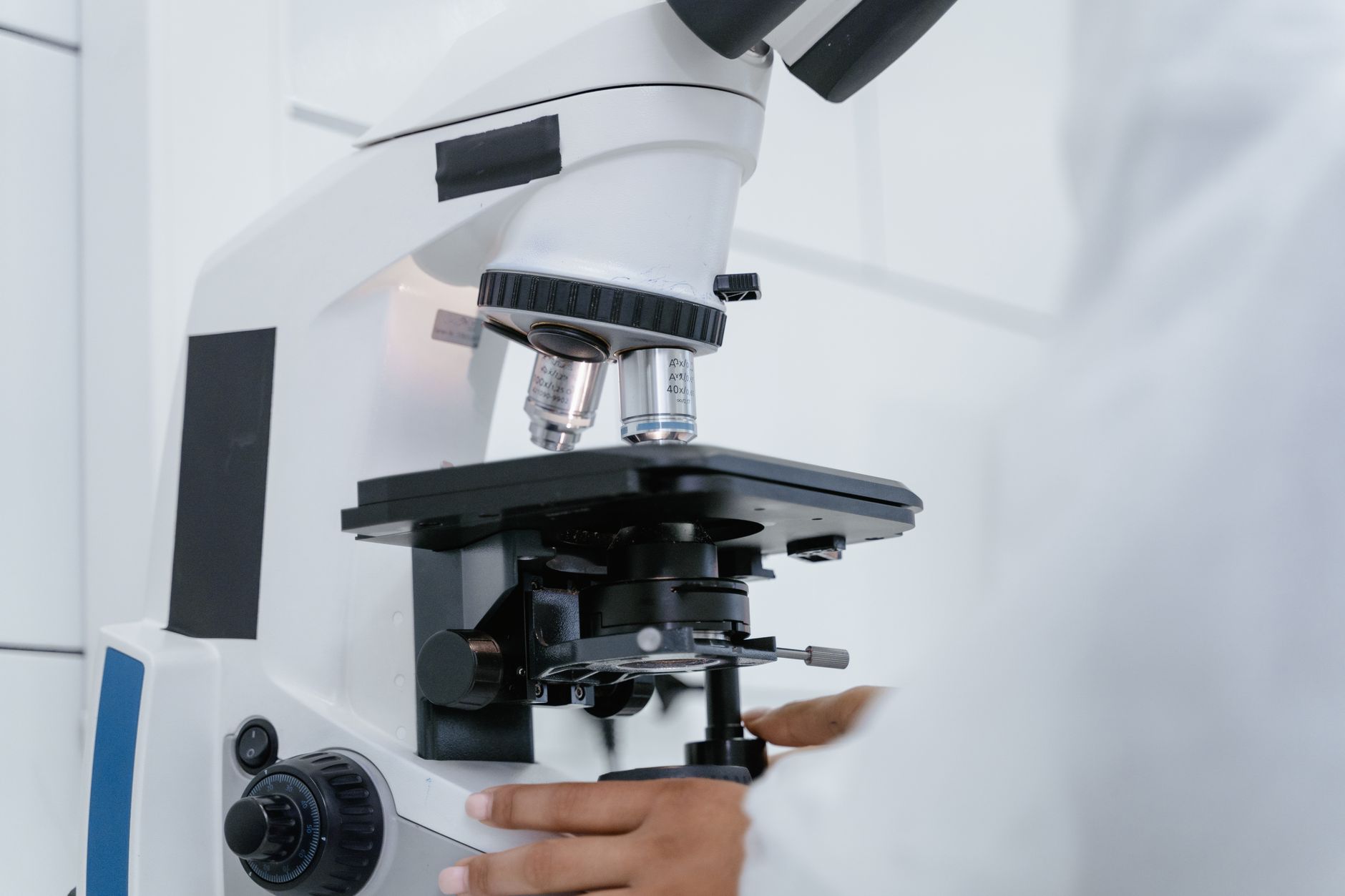
When scientists first began studying plastic pollution in the human body, the focus was on microplastics - particles between 1 micrometre and 5 millimetres in size. These are the particles that can be seen, counted, and identified under a standard microscope. But as detection methods have improved, researchers have increasingly turned their attention to an even smaller category: nanoplastics. Nanoplastics are plastic fragments below 1 micrometre in diameter - invisible to conventional microscopy, capable of crossing biological barriers that microplastics cannot, and potentially far more biologically active than their larger counterparts. Understanding the difference between nanoplastics and microplastics is now one of the most important frontiers in environmental health research.
This article breaks down what each category is, how they differ in terms of biological behaviour and risk, and why nanoplastics have become the focus of increasing scientific concern.
Defining the Terms: Microplastics and Nanoplastics
Microplastics are defined as plastic particles between 1 micrometre and 5 millimetres in size. The term covers a wide range - from a fragment you could see with the naked eye at the upper end, to particles around the width of a human hair at the lower end. They originate from two main sources: primary microplastics, which are manufactured at that size for use in products like cosmetics and industrial abrasives, and secondary microplastics, which form when larger plastic items break down under UV light, mechanical stress, and heat.
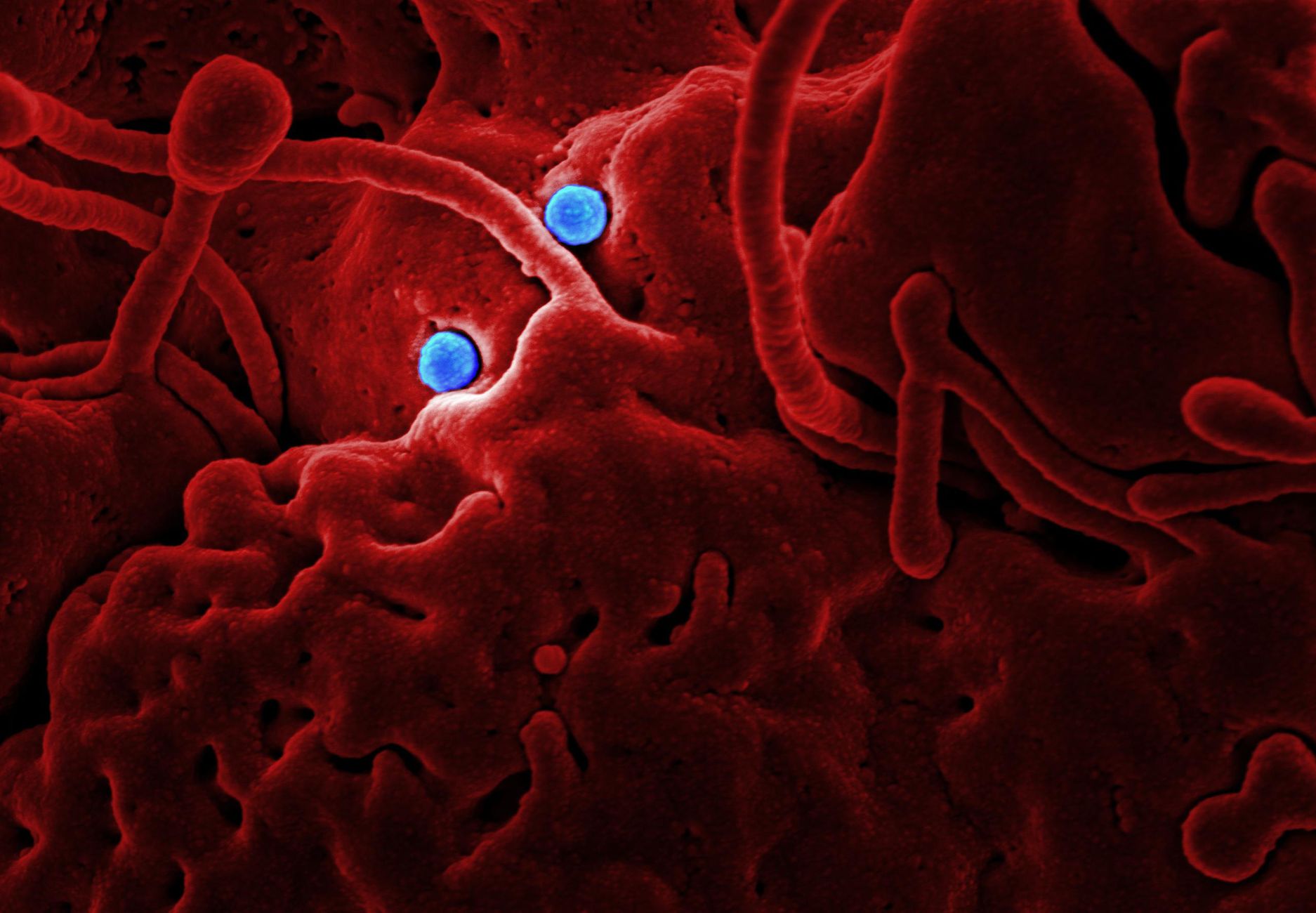
Nanoplastics are fragments below 1 micrometre - smaller than most bacteria, smaller than many viruses, and well within the size range of cellular structures. They are typically defined as being between 1 nanometre and 1000 nanometres (1 micrometre). At this scale, the rules that govern how particles interact with biological systems change significantly. Size, surface area, and surface chemistry all behave differently at the nanoscale, which is why nanoplastics cannot simply be treated as "very small microplastics" - they represent a qualitatively different category of exposure.
How Nanoplastics Form
Nanoplastics form through the continued fragmentation of larger plastic particles. When a microplastic breaks down further under UV light, oxidation, and mechanical abrasion, it produces nanoplastic fragments. This process accelerates in marine environments, where wave action, UV exposure, and salt all contribute to rapid degradation. It also occurs in soil, in indoor environments, and in the human digestive system itself, where stomach acid and mechanical digestion can fragment microplastics into nanoplastic-scale pieces.
Some nanoplastics are also produced directly - through the wear of tyres, the washing of synthetic fabrics, and the degradation of plastic packaging in contact with heat, acid, or friction. Research published in 2023 found that boiling water in a polypropylene plastic kettle released billions of nanoplastic particles per litre - a finding that illustrates how nanoplastics can be generated in ordinary household use, not just in industrial or environmental settings.
Why Size Changes Everything
The key reason nanoplastics attract heightened scientific concern is their ability to cross biological barriers that larger particles cannot. The gut lining, the blood-brain barrier, the placenta, and individual cell membranes all function as filters that exclude particles above certain size thresholds. Microplastics at the upper end of their size range are largely stopped at these barriers. Nanoplastics are not.
Studies in animal models have demonstrated that nanoplastic particles can cross the gut epithelium into the bloodstream, travel to the liver and kidneys, cross the placental barrier into foetal tissue, and in some cases cross the blood-brain barrier into neurological tissue. Each of these crossings represents a level of systemic exposure that is qualitatively different from the gut-level exposure associated with larger plastic particles. Once inside cells, nanoplastics have been shown to interfere with mitochondrial function, trigger oxidative stress, and activate inflammatory pathways - mechanisms that are associated with a wide range of chronic diseases when sustained over time.
The Surface Area Problem
As particles get smaller, their surface area relative to their volume increases dramatically. A single microplastic particle broken into a billion nanoplastic fragments has the same total mass but an enormously larger total surface area. This matters for two reasons. First, surface area determines how much chemical contamination a particle can carry - persistent organic pollutants, heavy metals, and plastic additives all bind to plastic surfaces. More surface area means more chemical cargo per unit of plastic mass. Second, a larger surface area means more contact with biological tissue per unit of particle mass - increasing the potential for cellular interaction and inflammatory response.
This surface area effect is one reason why nanoplastics may be more biologically active than equivalent masses of larger plastic particles, even setting aside the question of membrane crossing. At the nanoscale, the particle itself behaves more like a chemical than a physical object in terms of how it interacts with biological systems.
The Detection Problem: Why Nanoplastics Have Been Underestimated
One reason nanoplastics have only recently come to scientific prominence is that detecting them is technically demanding. Standard optical microscopy cannot resolve particles below about 1 micrometre. Detecting nanoplastics requires techniques such as Raman spectroscopy, electron microscopy, and mass spectrometry - methods that are expensive, time-consuming, and not yet standardised across research groups. This means that most studies of microplastics in human tissue, drinking water, and food have almost certainly underreported total plastic contamination by missing the nanoplastic fraction entirely.
As detection methods improve and become more widely available, the picture of plastic contamination in biological systems is likely to become more detailed and more concerning. Researchers working on the frontier of this field frequently note that the particles we can currently measure are probably not the whole story - and that the particles we cannot yet reliably measure may be the most biologically significant.
What This Means in Practice
The distinction between nanoplastics and microplastics has practical implications for how we think about reducing exposure. Many of the sources of nanoplastic exposure - synthetic fabric washing, plastic kettle use, polypropylene food containers, plastic packaging in contact with heat - are addressable through the same product swaps that reduce microplastic exposure generally. Switching from a plastic kettle to a stainless steel one, avoiding heating food in plastic, filtering drinking water with a reverse osmosis system, and choosing natural fibres over synthetic ones all reduce nanoplastic exposure alongside microplastic exposure.
The research into nanoplastics is newer and less complete than the research into microplastics, and the health implications in humans at real-world exposure concentrations are not yet fully established. But the biological plausibility of harm - and the consistency of findings in animal and cell studies - makes reducing exposure a reasonable precautionary step regardless of where the science ultimately settles.
The Bottom Line
Nanoplastics and microplastics are related but distinct categories of plastic pollution, and the difference in scale is not merely cosmetic. Nanoplastics cross biological barriers that microplastics cannot, carry more chemical contamination per unit of mass, and interact with cells in ways that appear qualitatively more concerning than larger particles. They have also been systematically undercounted because the tools to detect them are only now becoming widely available. The emerging picture is that our current understanding of human plastic exposure is almost certainly an underestimate - and that the most biologically active fraction of that exposure may be the one we have had the least ability to measure.