Plastic-Free Period Products: A Complete Guide
This article contains affiliate links. If you buy through these links, ErasePlastic may earn a small commission at no extra cost to you.
Switching to plastic-free period products is one of the most impactful swaps a person can make - both for personal exposure and for the waste stream. Conventional pads and tampons are surprisingly plastic-heavy: a single pad can be up to 90 percent plastic, and tampons commonly use plastic applicators, plastic strings, and synthetic fibres. Over a lifetime, one person may use thousands of these products, almost all of which end up in landfill or, too often, in waterways. The good news is that reusable and plastic-free options are now comfortable, reliable, and widely available.
This guide walks through each plastic-free option, how it works, and how to choose what suits your body and lifestyle.
Why Conventional Period Products Contain So Much Plastic
Most mainstream pads are built on a plastic backing sheet, with a synthetic topsheet and adhesive layers, plus individual plastic wrappers. Tampons frequently come with polypropylene or polyethylene applicators and a plastic overwrap, and even the absorbent core can contain synthetic fibres such as rayon and polyester. Because these products are designed for single use, the plastic is discarded immediately. Estimates suggest period products generate a very large volume of plastic waste each year, much of which takes centuries to break down.
Menstrual Cups: The Flagship Swap
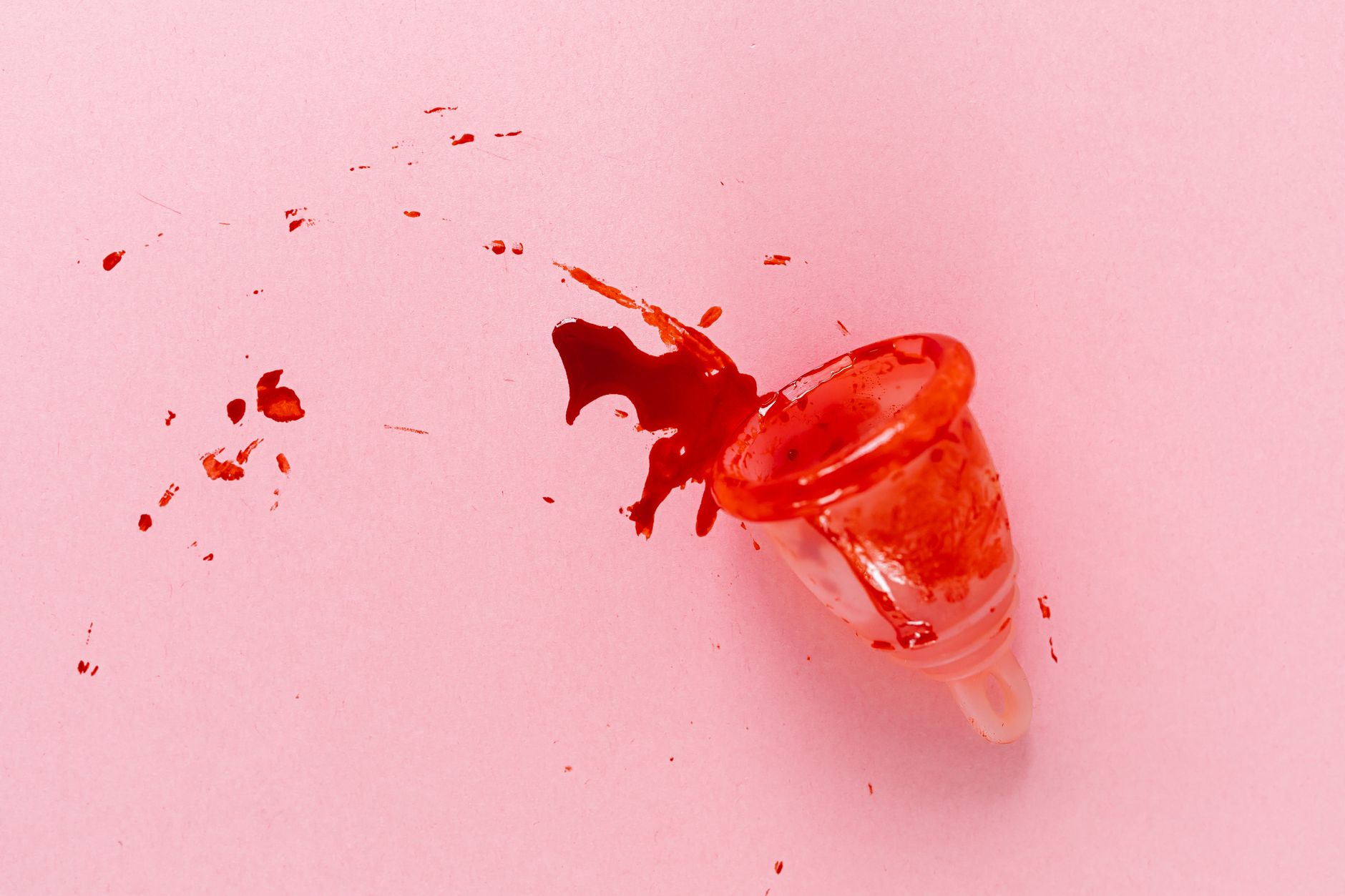
The menstrual cup is the single most impactful plastic-free period swap. Made from medical-grade silicone, a cup is inserted to collect rather than absorb flow, and is emptied, rinsed, and reused. One cup can last for years, replacing hundreds or thousands of disposable products. Silicone is inert and contains no plastic fibres or applicators. Cups hold more than a tampon, so many users find they can go longer between changes, and over time the cost saving is significant.
There is a short learning curve with insertion and removal, but most people are comfortable within a cycle or two. Cups come in different sizes based on age, flow, and whether you have given birth.
Period Underwear
Period underwear looks and feels like normal underwear but has built-in absorbent layers that hold flow, then is washed and reused. It is an excellent option for light to moderate days, overnight, or as backup alongside a cup. Look for pairs that use organic cotton in the layer against the skin. One caveat to be aware of: some period underwear has been found to use PFAS "forever chemicals" in waterproof layers, so choose brands that explicitly state they are PFAS-free.
Reusable Cloth Pads
Cloth pads work like disposable pads but are made from fabric - ideally organic cotton - and snap around the underwear, then go in the wash. They suit people who prefer external protection over insertion. A small set rotated through the wash can replace disposable pads entirely. They are soft, breathable, and free of the plastic backing and adhesives of conventional pads.
Organic Cotton Tampons and Pads
If reusables are not right for you, plastic-free disposables are a meaningful step up. Look for 100 percent organic cotton tampons with no plastic applicator (or a cardboard applicator) and organic cotton pads without plastic backing, packaged in paper or compostable wrap. These still create some waste, but they remove the worst of the plastic and synthetic content.
How to Choose What Suits You
- Want the biggest single impact: a menstrual cup replaces the most disposable products for the longest time.
- Prefer not to insert anything: period underwear and cloth pads give reusable, external protection.
- Want a low-commitment first step: switch to organic cotton tampons and pads while you try a reusable option.
- Heavy flow: combine a cup with period underwear as backup for confidence.
There is no single right answer - many people use a combination depending on the day. The key is that every one of these options removes plastic that would otherwise touch your body and go to landfill.
The Bottom Line
Plastic-free period products are comfortable, cost-effective, and dramatically reduce both waste and your contact with synthetic plastics. A menstrual cup is the highest-impact swap, while period underwear, cloth pads, and organic cotton disposables offer flexible alternatives for every preference. Start with one change this cycle and build from there. For more guidance on plastic-free living, explore our plastic-free bathroom routine guide.