The Living Room Plastic Audit: Sofas, Rugs, and Electronics That Shed Microplastics Daily
This article contains affiliate links. If you buy through these links, ErasePlastic may earn a small commission at no extra cost to you.
The living room is typically the most furnished room in a home - and, according to indoor air quality research, also one of the highest sources of microplastic contamination within it. Synthetic sofas and upholstery, polyester or nylon carpets, a television surrounded by electronics and cables, paraffin candles, and plastic storage solutions all contribute to a continuous background level of microplastic shedding. Most of it is passive: fibres and particles are released through normal use, settle in dust, and are inhaled or ingested throughout the day without any obvious visible sign that it is happening.
This guide audits the main sources of microplastic exposure in a typical living room - and identifies where practical changes can make a measurable difference.
The Sofa Problem
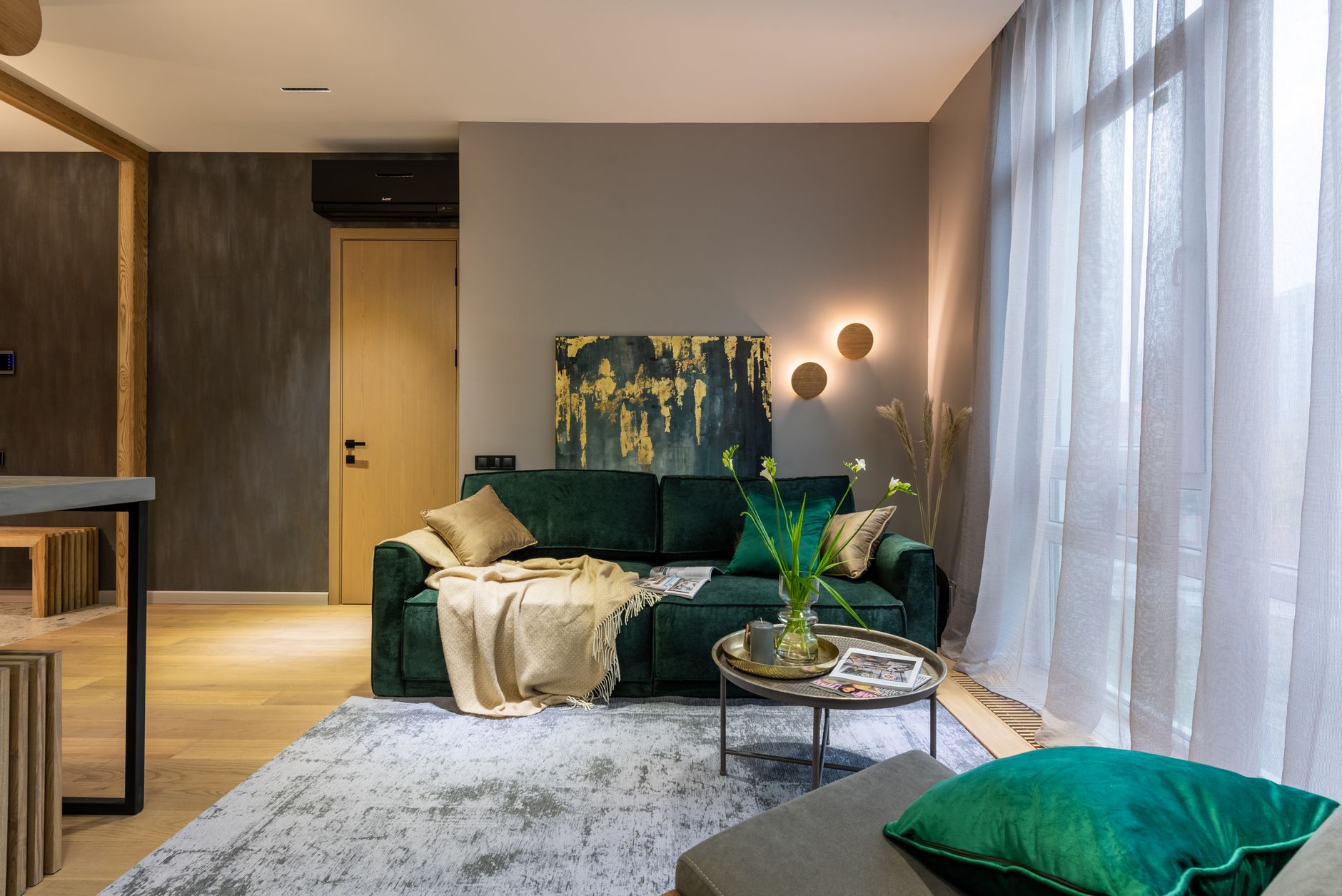
The sofa is the single largest upholstered item in most living rooms, and in most homes it is made from synthetic fabric. Polyester, polyester-cotton blends, and microfibre are the most common upholstery materials in mid-range furniture. All of them shed microplastic fibres continuously - the rate increases with use, as sitting and moving creates the mechanical friction that releases fibres from the fabric surface into the surrounding air.
The cushion fill is a further source. Most sofa cushions use polyurethane foam, which degrades over time and releases microplastic particles. This process accelerates in older sofas or those in heavy use. The foam inside cushion covers is not in direct skin contact, but it contributes to the microplastic load in the room's dust as the fabric cover does not fully seal the foam from the surrounding air.
Natural upholstery alternatives - wool, cotton, and linen - are available but tend to be positioned at the higher end of the market. When a sofa is due for replacement, specifying natural fabric upholstery and non-foam cushion options (feather or wool fill, for example) is the most impactful single change available in the living room. It is not a change worth making prematurely, but it is worth factoring into the next purchase.
Rugs and Carpets
Synthetic carpets and rugs are one of the most significant and most addressable sources of living room microplastics. Nylon, polyester, and polypropylene pile carpets shed fibres with every footstep - mechanical pressure on the pile surface releases particles into the air, where they remain airborne for varying periods before settling back into dust. In a household with regular foot traffic, this is a continuous, high-volume source of airborne microplastic fibres.
Unlike the sofa, where replacement is a significant investment, a rug is a relatively affordable item to swap. Replacing a synthetic area rug with a natural-fibre alternative - jute, wool, sisal, or cotton - directly removes a continuous microplastic source from the most-used area of the room. This is one of the most cost-effective single changes available in the living room specifically.

Electronics: The Background Source
The television, streaming device, games console, remote controls, and speaker systems in a typical living room all contribute to the ambient plastic load - primarily through off-gassing from plastic casings as they warm up during use, and through surface degradation of older equipment. This is a low-level but continuous source that is difficult to eliminate entirely, since there are no meaningful alternatives to electronics with plastic casings at mainstream price points.
What is manageable is the dust that accumulates around electronics. Plastic dust settles on and around devices, particularly at the back and sides where ventilation slots allow warm air to circulate. Wiping surfaces around electronics regularly with a damp cloth - rather than a dry duster, which redistributes particles - reduces the settled particle load before it becomes airborne again. Keeping the area around the television clear of unnecessary plastic items (DVD cases, plastic storage, cable clutter) reduces the overall plastic surface area in the zone of highest heat output.
Candles and Air Fresheners
Paraffin wax is a petroleum-derived product. Burning a paraffin candle releases particulates and VOCs into the room air - a source of indoor air pollution that is separate from but cumulative with microplastic exposure from other sources. Most conventional candles, air fresheners, and reed diffusers are also packaged in or made from plastic, adding a further material concern even before the product is used.
Natural soy wax or beeswax candles in glass containers are the straightforward alternative. They burn cleaner than paraffin, the glass container does not shed plastic, and the fragrance - where used - is more likely to come from natural essential oils rather than synthetic fragrance compounds. The swap is simple and the cost difference is modest at the per-candle level.
Managing Living Room Air Quality
Because the living room is typically the highest-traffic, highest-furniture-density room in the home, it tends to have elevated microplastic fibre concentrations in both air and settled dust compared to other rooms. A HEPA air purifier running in the living room captures airborne fibres before they settle and reduce the total inhaled particle load over hours of use. HEPA filtration is rated to capture 99.97 percent of particles at 0.3 micrometres - covering the majority of airborne microplastic fibres measured in indoor air studies.
Vacuuming with a HEPA-filter vacuum cleaner is the complementary step for settled dust. Standard vacuum cleaners without HEPA filtration can exhaust fine particles back into the room air - a HEPA-equipped cleaner captures them in the filter instead. For a room with a synthetic carpet that is not being replaced immediately, frequent HEPA vacuuming is the most effective available mitigation for the ongoing fibre release.
A Practical Priority Order
Not every change is equally impactful or equally urgent. Based on the sources above, a practical order of priority for the living room:
- Replace the synthetic area rug with a natural-fibre alternative - jute, wool, or cotton. This removes a high-volume, continuous microplastic source and is achievable at modest cost.
- Add a HEPA air purifier to capture the airborne fibres from sources that cannot be immediately replaced (sofa, carpet, electronics).
- Switch to natural-wax candles in glass containers - a small change that eliminates paraffin combustion products from the room air.
- Vacuum regularly with a HEPA vacuum to manage settled fibre accumulation rather than redistributing it.
- Factor upholstery material into the next sofa purchase - no need to replace a functional sofa early, but natural-fabric options are worth specifying when the time comes.
The Bottom Line
The living room is typically the highest-microplastic room in a home, driven by the combination of synthetic upholstery, synthetic carpets, and electronics in a well-used, often enclosed space. The most actionable changes are the rug and the air purifier - one removes a continuous source, the other manages the fibres from sources that remain. For the rest - sofas, electronics, carpets - the opportunity comes at the point of replacement, and knowing what to look for makes that decision a meaningful one. For a broader guide to reducing plastic exposure across the home, see our 10 easiest plastic-free swaps and the plastic-free bedroom guide for the room where passive exposure is highest per hour.