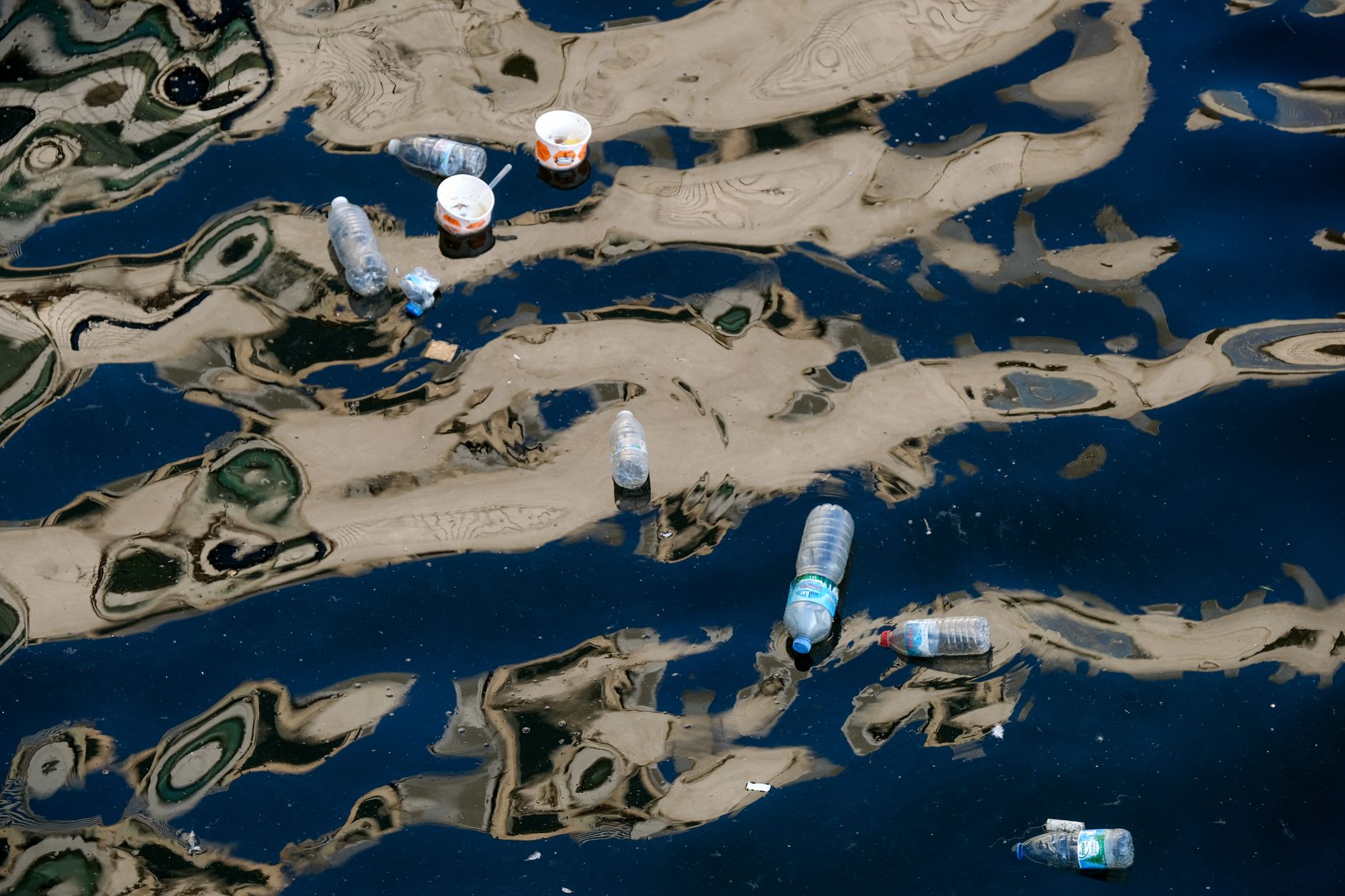
The Great Pacific Garbage Patch, Explained
The Great Pacific Garbage Patch is the most famous symbol of ocean plastic pollution - and also one of the most misunderstood. Many people picture a solid floating island of rubbish you could walk across. The reality is stranger and, in some ways, more troubling: it is a vast, diffuse soup of plastic, much of it broken down into small fragments suspended in the water, spread across an area larger than many countries. Understanding what it actually is helps explain why ocean plastic is so hard to clean up and why prevention on land matters most.
This article explains what the patch is, how it formed, what it is made of, and what can realistically be done about it.
What the Garbage Patch Actually Is
The Great Pacific Garbage Patch sits in the North Pacific Ocean between California and Hawaii. It is not a solid mass but a region where ocean currents concentrate floating debris. Surveys estimate it covers roughly 1.6 million square kilometres - around three times the size of France - and contains an estimated 1.8 trillion pieces of plastic weighing tens of thousands of tonnes. Rather than a visible island, most of it is a low-density scattering of items and fragments, with much of the plastic floating just below the surface.
How Did It Form?
The patch is created by a system of rotating ocean currents called the North Pacific Subtropical Gyre. These currents act like a slow whirlpool, drawing in floating material from across the Pacific and trapping it in the relatively calm centre. Plastic enters the ocean from rivers, coastlines, shipping, and fishing activity, then drifts on currents until it accumulates in these gyres. There are several such garbage patches in the world's oceans; the Great Pacific one is simply the largest and best studied.
What Is It Made Of?
Research sampling the patch has found that a surprisingly large share - by weight - comes from fishing industry gear such as abandoned nets, ropes, and lines, often called "ghost gear." The rest is a mix of consumer plastics: bottles, caps, packaging, and countless fragments. Over time, sunlight and wave action break larger items into smaller and smaller pieces.
The Microplastic Problem
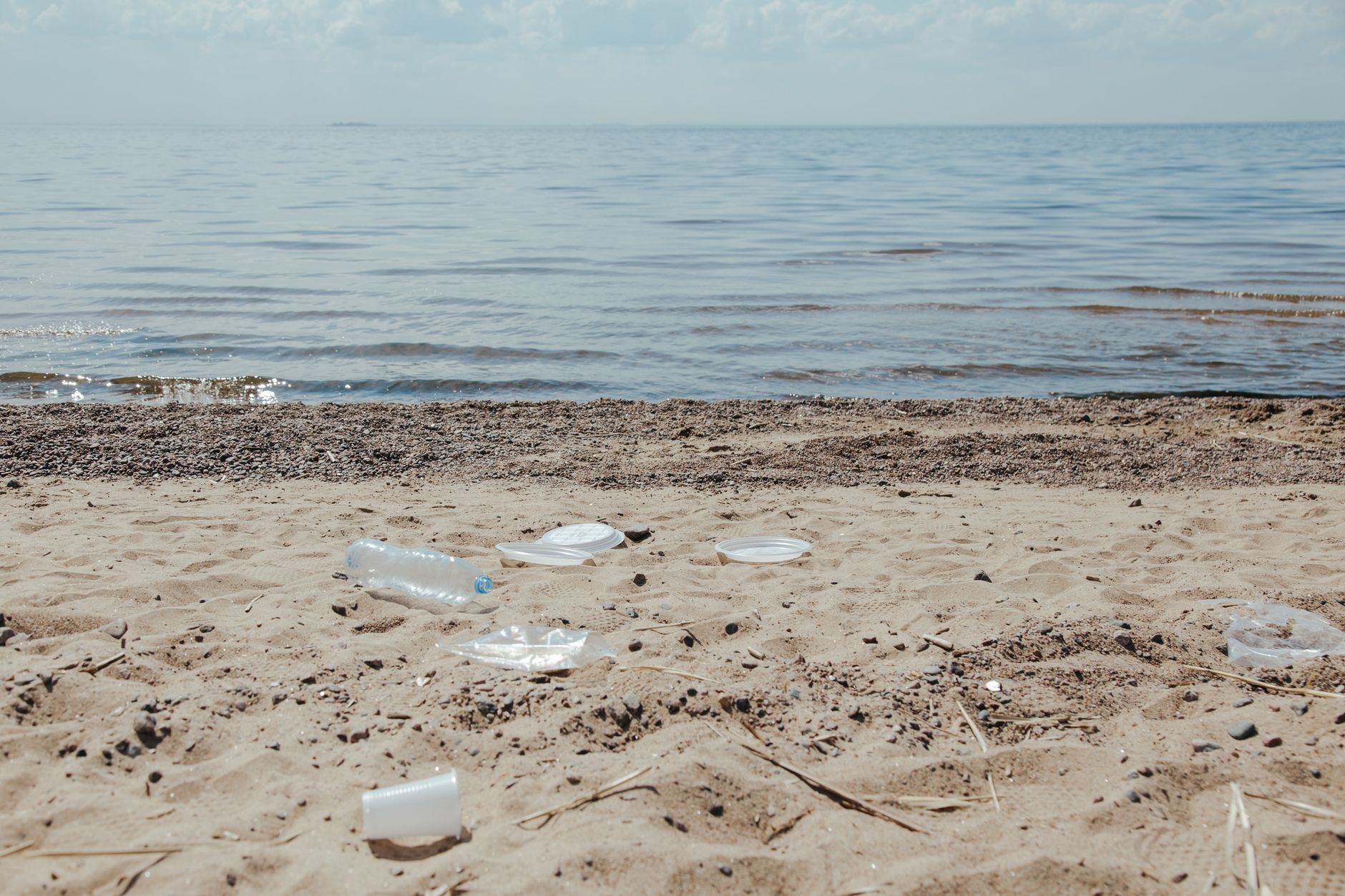
The most concerning aspect is what happens as the plastic degrades. Larger items break down into microplastics - particles smaller than 5mm - which are nearly impossible to remove and easily mistaken for food by marine life. These microplastics enter the food web when fish, plankton, and other organisms ingest them, and they can work their way up to the seafood on our plates. The patch is therefore not a contained problem out at sea; it is a continuous source of microplastics feeding into the wider marine environment. Our article on how microplastics harm wildlife explores these impacts in detail.
Can It Be Cleaned Up?
Cleanup efforts exist, and some have successfully removed large floating items and ghost gear using specialised barriers and vessels. These are valuable, especially for capturing big nets before they fragment. But the diffuse, partly submerged, microplastic-heavy nature of the patch makes complete removal effectively impossible with current technology - you cannot filter an ocean. This is why most experts agree the only durable solution is to stop plastic reaching the ocean in the first place, by reducing production, improving waste systems, and recovering plastic at rivers and coastlines before it drifts out to sea.
What This Means for You
It is easy to feel powerless against something the size of a continent, but the patch is ultimately made of everyday plastic items that escaped the waste system. Reducing single-use plastic, supporting better waste infrastructure, and choosing reusable alternatives all cut the flow at its source. Individual action will not empty the gyre overnight, but the patch only grows if the inflow continues. For a sense of the wider picture, see our overview of microplastics in the ocean.
The Bottom Line
The Great Pacific Garbage Patch is not a solid island but a vast, diffuse concentration of plastic - much of it fishing gear and microplastic fragments - trapped by ocean currents. It cannot be fully cleaned up, which makes preventing plastic from entering the ocean the only lasting answer. The patch is a powerful reminder that the plastic we use on land does not disappear; it accumulates. For practical ways to reduce your own plastic footprint, start with our 10 easiest plastic-free swaps.