
The Plastic-Free Baby: A Parent's Starter Guide
This article contains affiliate links. If you buy through these links, ErasePlastic may earn a small commission at no extra cost to you.
Few life events generate as much plastic as a new baby. From bottles and dummies to toys, packaging, and an astonishing number of disposable items, the modern nursery can feel like a plastic factory. For parents who care about reducing plastic - both for the planet and because infants are uniquely vulnerable to chemical exposure - it can be overwhelming to know where to start. The good news is that building a plastic-free baby setup does not require buying everything at once or chasing perfection. It is about choosing inert, natural materials for the things that matter most, especially anything that touches your baby's food or mouth. This starter guide walks through the priorities, the easy swaps, and how to do it without blowing the budget.
Why Plastic Matters More for Babies
Infants are more sensitive to chemical exposure than adults for several reasons. Relative to body weight, they eat, drink, and breathe more than adults, so any contaminant is more concentrated. Their organs and hormonal systems are still developing, which can make them more responsive to endocrine-disrupting chemicals associated with some plastics. And babies explore the world by putting things in their mouths, so toys, teethers, and feeding equipment have direct, repeated oral contact.
Two concerns stand out. The first is microplastics: research has shown that plastic baby bottles, when used to prepare formula with hot water and shaking, can release very large numbers of microplastic particles into the feed. A widely reported 2020 study estimated that infants fed from polypropylene bottles could be exposed to millions of microplastic particles per day under typical preparation conditions. The second is plastic-associated chemicals such as certain plasticisers and bisphenols, which are why "BPA-free" became a selling point - though some replacement chemicals remain debated.
Priority One: Feeding
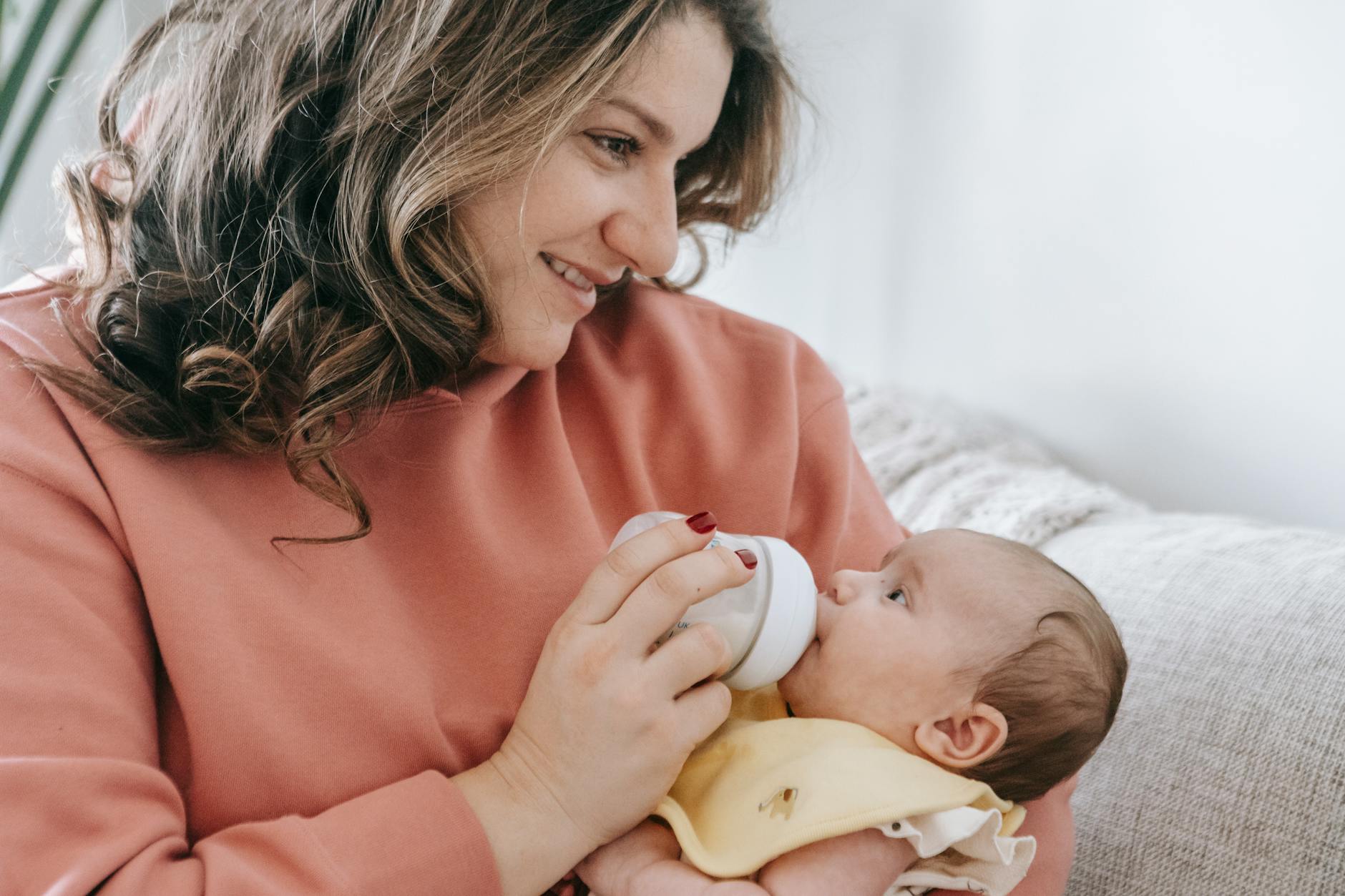
Feeding equipment is the single most important category, because it combines heat, liquid, and your baby's mouth - the exact conditions that drive plastic leaching. This is where switching materials delivers the biggest benefit.
Glass and stainless steel bottles
Replacing plastic bottles with glass or stainless steel removes the heat-driven microplastic release entirely. Glass is inert, easy to sterilise, and lets you see the contents clearly; modern glass baby bottles come with protective silicone sleeves to guard against breakage and improve grip. Stainless steel bottles are unbreakable and excellent for older babies and travel. Both are dishwasher- and steriliser-friendly and last far longer than plastic.
Preparing formula to reduce microplastics
If you do use any plastic equipment, a few preparation tweaks lower particle release: prepare formula with hot water in a non-plastic container (glass or stainless steel), let it cool to feeding temperature, then transfer to the bottle, rather than shaking very hot water directly in a plastic bottle. Rinsing prepared feeds with cooled, pre-boiled water can also help. These steps come straight from the research on bottle-derived microplastics.
Priority Two: Weaning and Mealtimes
As your baby moves to solids, the plastic plates, bowls, and spoons marketed for weaning become daily-use items in contact with warm food. Swapping to stainless steel and silicone (a more stable material than many plastics) or bamboo tableware keeps mealtimes lower-plastic. Stainless steel plates and bowls are unbreakable, do not leach, and last for years - often outliving childhood entirely. A stainless steel lunch box becomes invaluable later for nursery and school.
Priority Three: Toys and Teethers
Teethers go straight in the mouth for hours, so they are worth prioritising: choose natural rubber, untreated wood, or food-grade silicone over soft PVC plastics. For toys generally, natural materials such as solid wood, organic cotton, and natural rubber are safer for chewing and more durable - wooden toys routinely survive multiple children and even generations. You do not need to throw out every plastic toy; simply favour natural materials for new purchases and for anything that gets mouthed.
Priority Four: Clothing, Bedding, and Nappies
- Clothing and bedding: Choose organic cotton, bamboo, or wool over synthetic fabrics like polyester and acrylic, which shed microfibres in the wash and sit against delicate skin. Natural fibres are breathable and gentle.
- Nappies: Disposable nappies are largely plastic and a huge waste source. Reusable cloth nappies dramatically cut both plastic and landfill waste over the nappy years; if reusables are not feasible, plastic-reduced or more sustainable disposables are a middle ground.
- Wipes: Many baby wipes contain plastic fibres. Reusable cloth wipes with water, or certified plastic-free biodegradable wipes, avoid flushing plastic into the system.
How to Do This Without Overwhelm (or Overspending)
The idea of replacing everything is daunting and unnecessary. A few principles keep it manageable:
- Buy for impact, not for show: Spend on the feeding items that contact hot food and the mouth; relax about low-contact items.
- Buy second-hand: Wooden toys, glass bottles, and stainless tableware are durable and widely available used. Reusing existing items is the most sustainable option of all.
- Choose items that last and grow: A stainless lunch box or steel cup serves for years, spreading the cost and the benefit.
- Go one category at a time: Start with bottles, then mealtimes, then toys. Steady progress beats an expensive, stressful overhaul.
The Wider Context
The reason feeding equipment tops the list comes straight from microplastics research showing how readily hot liquid in plastic releases particles - the same mechanism we see with plastic tea bags and kettles. And the concern about plastic-associated chemicals connects to the broader science on how some plastic additives can interfere with hormones, which matters most during early development. If you want to understand why heat and plastic are such a problematic combination, our guide on microplastics in tea bags explains the leaching mechanism in detail.
The Bottom Line
Building a plastic-free baby setup is about priorities, not perfection. Start with feeding - switch to glass or stainless steel bottles and prepare formula in non-plastic containers - because that is where heat, liquid, and your baby's mouth combine to drive the most exposure. Then move to weaning tableware, teethers and toys in natural materials, and natural-fibre clothing and reusable nappies. Buy for impact, buy second-hand where you can, and choose durable items that grow with your child. Done this way, a lower-plastic nursery is achievable, affordable, and genuinely better for your baby. For more practical guidance, see our plastic-free kitchen guide and our easiest plastic-free swaps.