How Microplastics Are Harming Wildlife - From Seabirds to Freshwater Fish
Microplastics harming wildlife is no longer a projected future risk - it is a documented, present reality across hundreds of species and every major ecosystem on Earth. From the stomachs of albatrosses in the remote Pacific to the tissue of freshwater fish in European rivers, plastic contamination has reached animals that have never been near a human settlement. The effects range from physical blockages and starvation to hormonal disruption, reproductive failure, and population-level decline. Wildlife is bearing the largest immediate cost of plastic pollution, and understanding how is essential context for why reducing plastic use matters beyond our own health.
This article covers the major wildlife groups most affected by microplastics, what the research shows about how harm occurs, and why the impacts on animal populations ultimately matter for the ecosystems that sustain human life too.
Seabirds: When Plastic Smells Like Food
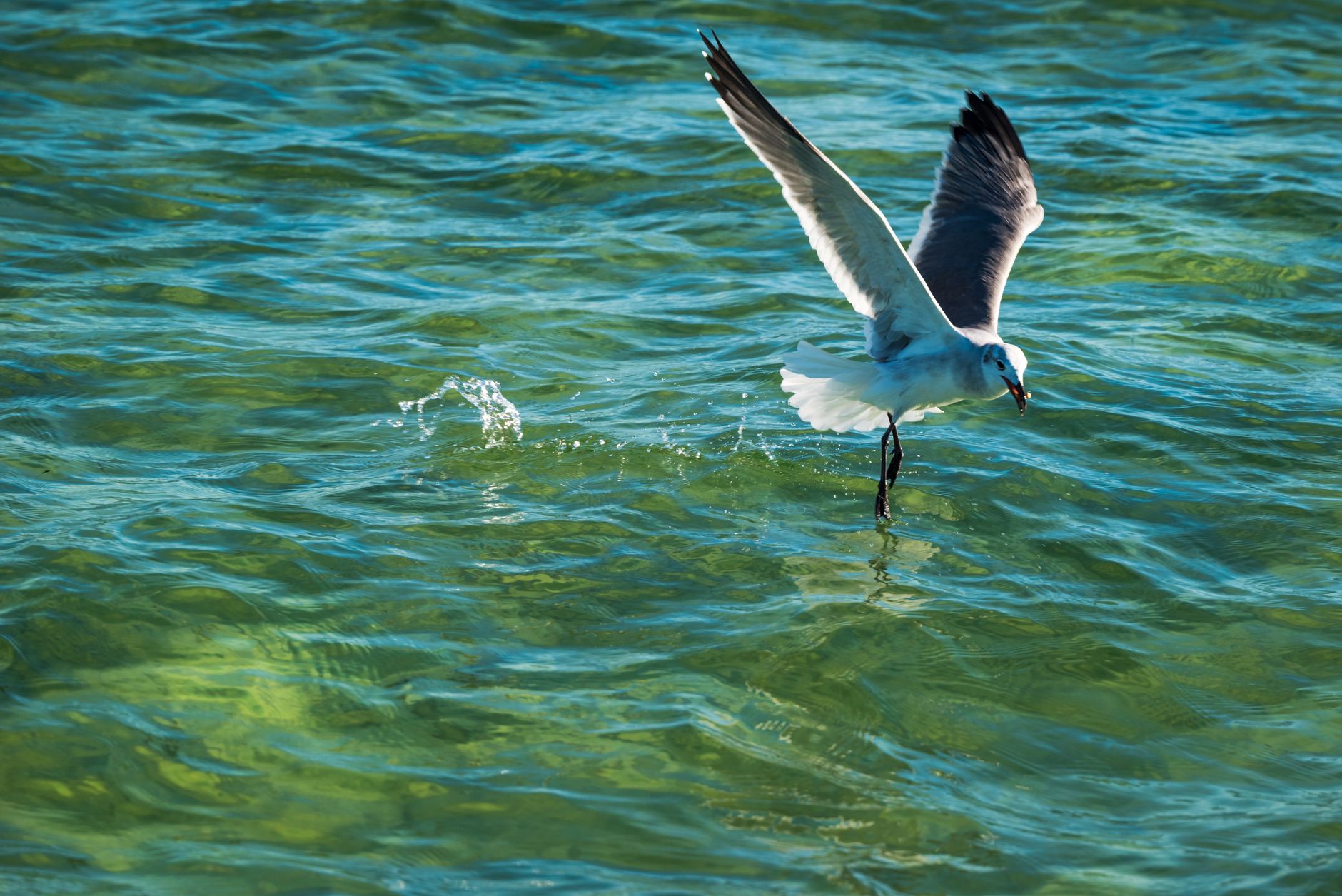
Seabirds are among the most visibly affected wildlife groups. Species like albatrosses, shearwaters, fulmars, and petrels forage across vast stretches of ocean, and the visual and chemical cues they use to find food are increasingly mimicked by plastic debris. Research has found that certain plastics produce a sulphur compound called dimethyl sulphide when colonised by algae - and dimethyl sulphide is the exact smell that seabirds associate with productive feeding areas. The birds are following a scent signal that now leads them to plastic.
The consequences are severe. Post-mortem studies of seabirds found dead on coastlines regularly reveal stomachs packed with plastic fragments - lighters, bottle caps, film packaging, and dense accumulations of microplastic pieces. A full stomach of plastic triggers a false satiety signal, so the birds stop feeding even as they starve. Chicks fed plastic by parents who cannot distinguish it from fish have the highest mortality rates. Studies estimate that over 90 percent of seabird species have ingested plastic, and for some species the figure approaches 100 percent.
Marine Mammals: From Whales to Dolphins
Marine mammals face dual exposure to plastic pollution - both through direct ingestion and through the fish and squid they eat. Sperm whales, beaked whales, and pilot whales have repeatedly been found stranded with stomachs containing kilograms of plastic debris, causing fatal intestinal blockages. These cases involve larger plastic items, but microplastic contamination is equally pervasive and harder to detect.
Studies of dolphin and seal tissue have found microplastic particles embedded in the gut lining and, in some cases, in liver and muscle tissue, suggesting systemic uptake beyond the digestive tract. The chemicals carried by microplastics - including PCBs, flame retardants, and phthalates - are known endocrine disruptors, and high concentrations of these compounds have been recorded in blubber samples from multiple cetacean species. Reproductive effects are a particular concern: some studies have linked chemical contaminant loads in marine mammals to reduced fertility and immune function.
Freshwater Fish: A Closer Problem Than Most Realise
Ocean plastic gets most of the attention, but freshwater ecosystems are also heavily contaminated and in some respects more acutely affected. Rivers and lakes receive microplastics from stormwater runoff, wastewater discharge, and atmospheric deposition at rates that mean freshwater fish are exposed to high concentrations throughout their entire lives - not just when they migrate to the sea.
Studies of freshwater fish across Europe, Asia, and North America have found microplastic ingestion in a wide range of species, including perch, carp, trout, roach, and gudgeon. The particles are found in the digestive tract and, in some studies, in the muscle tissue of species commonly eaten by humans. In laboratory conditions, freshwater fish exposed to microplastics show reduced feeding activity, impaired growth, altered hormone levels, and lower reproductive success. Field studies have begun to document population-level changes in rivers with high plastic contamination, though establishing direct causation across complex ecosystems remains challenging.

Invertebrates: The Foundation of the Food Web
Invertebrates - shellfish, worms, insects, and the zooplankton at the base of ocean food webs - are often overlooked in discussions of plastic harm, but they may be where the most consequential damage is occurring. Zooplankton mistaking nanoplastics for their natural food source have been shown to have reduced feeding rates, impaired egg production, and higher mortality in laboratory studies. Because zooplankton form the base of nearly every marine food chain, disruption at this level has cascading effects throughout the entire ecosystem.
Marine invertebrates consumed directly by humans - mussels, oysters, clams, scallops - are filter feeders that concentrate microplastics from the surrounding water in their tissue. Unlike fish, where plastic is usually confined to the gut that is removed before eating, shellfish are eaten whole, meaning any microplastics in the tissue are consumed directly. This makes shellfish one of the highest-exposure seafood categories for human microplastic ingestion.
Terrestrial Wildlife: The Problem Reaches Land
Plastic pollution is not confined to aquatic environments. Soil-dwelling invertebrates like earthworms ingest microplastics as they feed, which affects their reproduction and survival. Birds that forage on agricultural land and beaches ingest plastic particles directly from contaminated soil and sediment. Studies of barn owls, sparrows, and songbirds have found microplastics in stomach contents at rates that suggest widespread terrestrial exposure.
Large terrestrial mammals, including deer and cattle grazing on contaminated pasture, have also been found to ingest microplastics through their food. The chemicals leached by plastics in soil - plasticisers, stabilisers, and adsorbed pesticides - accumulate in fat tissue and can be passed to young through milk. The full scope of terrestrial wildlife impacts is less studied than marine impacts, but early findings suggest the problem is far broader than ocean pollution alone.
The Bottom Line
The harm microplastics are causing to wildlife spans every ecosystem and hundreds of species - from the smallest zooplankton to the largest whale. The mechanisms are multiple: physical blockage, false satiety, chemical contamination, hormonal disruption, and reproductive failure. Because wildlife sits within the food chains that feed humans, and within the ecosystems that regulate our climate, water, and air, the harm to animals is ultimately inseparable from harm to people. Reducing plastic production and improving how we manage plastic waste is not just an environmental cause - it is one of the most practical steps we can take to protect the living systems that everything else depends on.